Data scientists are performing an ever-evolving role that requires both efficiency and precision in every step, along with deep analytical skills. Previously, handling operations like fine-tuning models or cleaning datasets was easier due to their small sizes. Presently, data volumes have increased tremendously, and fine-tuning complex models has become a challenging task. Thankfully, now GenAI is there, which is opening unimaginable doors for data scientists.
Data scientists are now utilizing GenAI tools to generate code, automate data cleaning, enhance data quality, and analyze large datasets to produce summaries. It means that with generative AI, data scientists spend less time on work and more time focusing on strategy. If you are wondering how GenAI is changing the work of a data scientist, keep reading, as this is what we will discuss today!
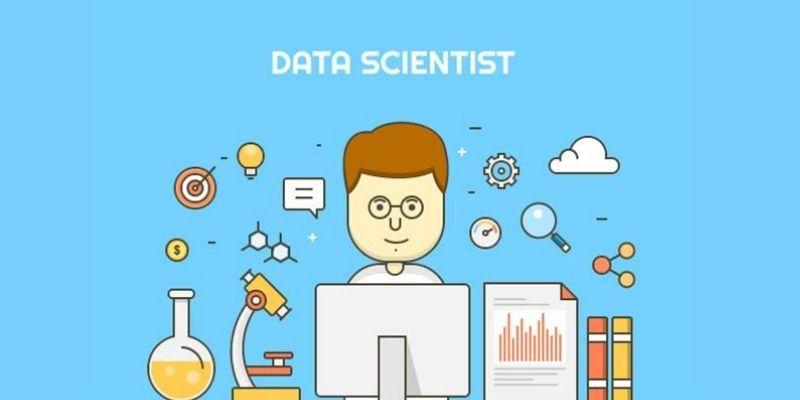
The data science workflow was previously manual before the advent of generative AI. The process usually starts with identifying the business problem and planning the project. Data scientists used to work closely with stakeholders to clearly understand their goals. It helped them decide what kind of data was needed. They moved on to data collection and gathering information after understanding the goals. They use sources to collect information. These sources include databases, files, and online platforms. However, the collected data was often messy and incomplete. A lot of time was spent on data cleaning and preprocessing.
After obtaining the prepared data, they next moved on to choosing and training the right model. They experimented with different algorithms, adjusted parameters, and a lot more. Once a suitable model was built, it was evaluated using metrics. Finally, the model was deployed into production. However, it was continuously monitored for performance issues. The traditional approach was practical, but it was also time-consuming.
Generative AI tools assist data scientists with various tasks, including:
The assistance of GenAI doesn't replace the skills of a data scientist. Instead, GenAI supports and accelerates many aspects of the work. The human still chooses how to use the tool, checks its output, and adds insight.
Generative AI offers numerous benefits for data science, but it also presents significant challenges and limitations. Understanding this is important to use these tools well. Let's discuss them below.
Due to these limitations, it is essential for organizations not to treat GenAI tools as perfect solutions. Human oversight and careful evaluation are needed to reduce risks.
The future of generative AI in data science looks great. According to experts, these tools will become more powerful and specialized over time. In the future, you will see models trained for specific areas, such as healthcare, finance, and education. For example, new systems are being developed to help researchers quickly analyze scientific papers, compare findings, and perform many other tasks. These specialized systems will provide more accurate results.
However, the role of human data scientists will also be very important. The future is not about AI replacing people. GenAI will handle routine and repetitive tasks. The humans will guide, check, and make important decisions. It means that data scientists will spend less effort searching for information. However, there will also be a greater need for clear rules and regulations.
The future of data science is the collaboration between humans and AI. AI will expand the roles of data scientists. It will make their job more creative and strategic. Generative AI is the best technology in the field of data science. It will help data scientists unlock new opportunities and drive smarter decisions. However, it will be successful only if we use AI wisely and understand its limitations.
Model behavior mirrors human shortcuts and limits. Structure reveals shared constraints.

Algorithms are interchangeable, but dirty data erodes results and trust quickly. It shows why integrity and provenance matter more than volume for reliability.

A technical examination of neural text processing, focusing on information density, context window management, and the friction of human-in-the-loop logic.

AI tools improve organization by automating scheduling, optimizing digital file management, and enhancing productivity through intelligent information retrieval and categorization
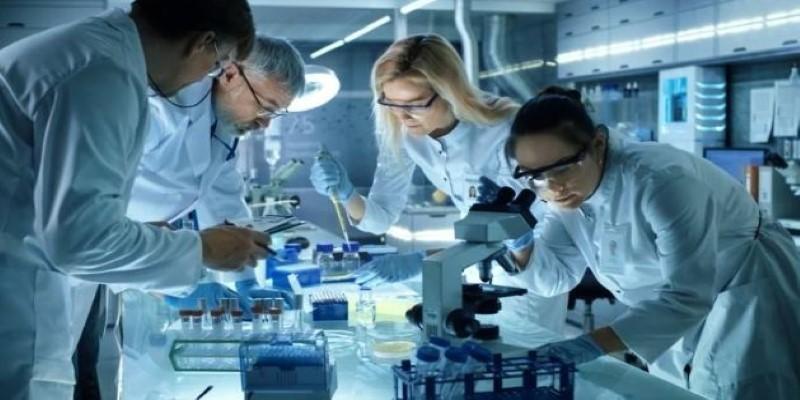
How AI enables faster drug discovery by harnessing crowdsourced research to improve pharmaceutical development

Meta’s AI copyright case raises critical questions about generative music, training data, and legal boundaries

What the Meta AI button in WhatsApp does, how it works, and practical ways to remove Meta AI or reduce its presence

How digital tools like Aeneas revolutionize historical research, enabling faster discoveries and deeper insights into the past.

Maximize your AI's potential by harnessing collective intelligence through knowledge capture, driving innovation and business growth.

Learn the LEGB rule in Python to master variable scope, write efficient code, and enhance debugging skills for better programming.

Find out how AI-driven interaction design improves tone, trust, and emotional flow in everyday technology.

Explore the intricate technology behind modern digital experiences and discover how computation shapes the way we connect and innovate.